



IL-17
Interleukin-17 (IL-17) is a pro-inflammatory cytokine primarily produced by Th17 cells and other immune subsets, functioning as a key mediator in host defense and tissue inflammation[1][2][3]. IL-17 signals through the IL-17 receptor (IL-17R) complex, activating downstream NF-κB, MAPK, and JNK pathways, thereby promoting transcription of inflammatory mediators[1][4][5]. Mechanistically, IL-17 isoforms exhibit distinct expression patterns, with IL-17F predominating in enthesis tissue and peripheral CD4+ T cells, whereas IL-17A is less abundant[6]. In disease models, IL-17 contributes to psoriasis, psoriatic arthritis, necrotizing enterocolitis, and ischemic brain injury by amplifying local inflammation and modulating neutrophil and microglial responses[2][7][8][9][10][11]. Compared with related cytokines such as IL-17A and IL-17F, IL-17RA serves as a shared receptor subunit critical for signaling of multiple IL-17 isoforms except IL-17D, highlighting functional specificity among isoforms[4]. Pharmacologically, IL-17 inhibitors including secukinumab, ixekizumab, and brodalumab demonstrate potent anti-inflammatory effects in moderate-to-severe psoriasis and psoriatic arthritis, whereas A2a receptor agonists and PPARγ agonists modulate IL-17 production for experimental applications[7][2][12][13]. These therapeutic strategies exploit mechanistic insights into isoform-specific signaling and receptor interactions, providing rational frameworks for preclinical and clinical research[14][15][16].
Références:
- [1]. Jiang R, et al. Effectiveness of exercise on perinatal depression and anxiety symptoms: A network meta-analysis and dose-response analysis. Int J Gynaecol Obstet. 2026 Jun;173(3):1308-1324. [Content Brief]
- [2]. Lanna C, et al. Why targeted therapeutics have provided benefit in psoriasis: looking at IL-17 biology. Expert Rev Clin Pharmacol. 2022 Oct;15(10):1209-1224. [Content Brief]
- [3]. Balato A, et al. Biologics that inhibit the Th17 pathway and related cytokines to treat inflammatory disorders. Expert Opin Biol Ther. 2017 Nov;17(11):1363-1374. [Content Brief]
- [4]. Garg AV, et al. IL-17 signaling and A20: a balancing act. Cell Cycle. 2013 Nov 15;12(22):3459-60. [Content Brief]
- [5]. Bosmann M, et al. Therapeutic potential of targeting IL-17 and IL-23 in sepsis. Clin Transl Med. 2012 Apr 27;1(1):4. [Content Brief]
- [6]. Vidal S, et al. From Messengers to Receptors in Psoriasis: The Role of IL-17RA in Disease and Treatment. Int J Mol Sci. 2021 Jun 23;22(13):6740. [Content Brief]
- [7]. Guo S, et al. Introducing CCD1 into isolated Rhodotorula strain enhances flavor production and improves cigar fermentation. Front Bioeng Biotechnol. 2024 Dec 3;12:1510075. [Content Brief]
- [8]. Tremblay É, et al. IL-17-related signature genes linked to human necrotizing enterocolitis. BMC Res Notes. 2021 Mar 4;14(1):82. [Content Brief]
- [9]. Maekawa T, et al. Antagonistic effects of IL-17 and D-resolvins on endothelial Del-1 expression through a GSK-3β-C/EBPβ pathway. Nat Commun. 2015 Sep 16;6:8272. [Content Brief]
- [10]. Zhang B, et al. IL-17A Enhances Microglial Response to OGD by Regulating p53 and PI3K/Akt Pathways with Involvement of ROS/HMGB1. Front Mol Neurosci. 2017 Aug 31;10:271. [Content Brief]
- [11]. Mcdermott N, et al. AB0011 cytometric analysis of activated entheseal tissue resident T-cells reveals IL-17F as the dominant IL-17 isoform expressed by innate and adaptive lymphocytes[J]. 2023.
- [12]. Fletcher JM, et al. IL-17 in inflammatory skin diseases psoriasis and hidradenitis suppurativa. Clin Exp Immunol. 2020 Aug;201(2):121-134. [Content Brief]
- [13]. Park SJ, et al. Peroxisome proliferator-activated receptor gamma agonist down-regulates IL-17 expression in a murine model of allergic airway inflammation. J Immunol. 2009 Sep 1;183(5):3259-67. [Content Brief]
- [14]. Huang YH, et al. Compositional Alteration of Gut Microbiota in Psoriasis Treated with IL-23 and IL-17 Inhibitors. Int J Mol Sci. 2023 Feb 26;24(5):4568. [Content Brief]
- [15]. Perrotta FM, et al. Remission, low disease activity and improvement of pain and function in psoriatic arthritis patients treated with IL-12/23 and IL-17 inhibitors. A multicenter prospective study. Reumatismo. 2020 Apr 10;72(1):52-59. [Content Brief]
- [16]. Hermans A, et al. A 3D-Printed and Freely Available Device to Measure the Zebrafish Optokinetic Response Before and After Injury. Zebrafish. 2024 Apr;21(2):144-148. [Content Brief]
-
IL-17 Produits associés (105)
Produits associés (105)

-
Protéines Recombinantes (71)
-
Polyinosinic-polycytidylic acid
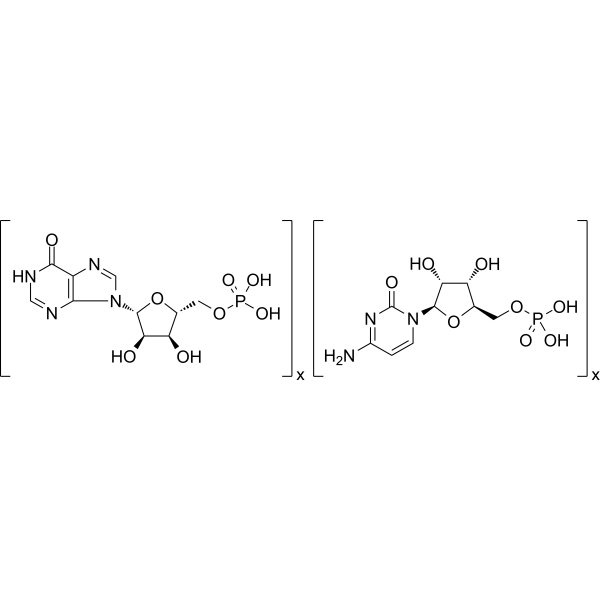 0 ImagesSynonyms: Poly(I:C)Polyinosinic-polycytidylic acid (Poly(I:C)) is a synthetic analog of double-stranded RNA and an agonist of toll-like receptor 3 (TLR3) and retinoic acid inducible gene I (RIG-I)-like receptors (RIG-I and MDA5). Polyinosinic-polycytidylic acid can be used as a vaccine adjuvant to enhance innate and adaptive immune responses, and to alter the tumor microenvironment. Polyinosinic-polycytidylic acid can directly trigger cancer cells to undergo apoptosis.
-
Bimekizumab
 0 ImagesSynonyms: CDP4940; UCB-4940Bimekizumab (Anti-Human IL17A/IL-17F Recombinant Antibody) is a humanised monoclonal antibody, can selectively neutralises IL-17A and IL-17F. Both of them are pro-osteogenic with respect to human periosteum-derived cell (hPDC) differentiation. Thus Bimekizumab blocks the inflammation-driven osteogenic differentiation.
-
Secukinumab
 0 ImagesSynonyms: AIN457Secukinumab (AIN457) is a high affinity, human monoclonal antibody targeted against interleukin (IL)-17A. Secukinumab is the first-in-class anti-IL-17 agent used for the research of plaque psoriasis, ankylosing spondylitis and psoriatic arthritis.
-
Ixekizumab
 0 ImagesSynonyms: LY2439821Ixekizumab (LY2439821) is a humanized IgG4 monoclonal antibody that selectively binds and neutralizes interleukin IL-17A (KD<3 pM). Ixekizumab directly blocks IL-17A binding to IL-17RA (IL-17A receptor) but does not bind to other IL-17 family members. Ixekizumab is used for the research of moderate-to-severe plaque psoriasis.
-
Poly (I:C):Kanamycin (1:1)
 0 ImagesCat. No.: HY-107202APoly(I:C):Kanamycin (1:1) is a mixture of Poly(I:C) (HY-107202) and Kanamycin (HY-16566). Poly(I:C) is a synthetic analog of double-stranded RNA and an agonist of toll-like receptor 3 (TLR3) and retinoic acid inducible gene I (RIG-I)-like receptors (RIG-I and MDA5). Poly(I:C) can be used as a vaccine adjuvant to enhance innate and adaptive immune responses, and to alter the tumor microenvironment. Poly(I:C) can directly trigger cancer cells to undergo apoptosis. Kanamycin stabilizes Poly(I:C).
-
KPT-276
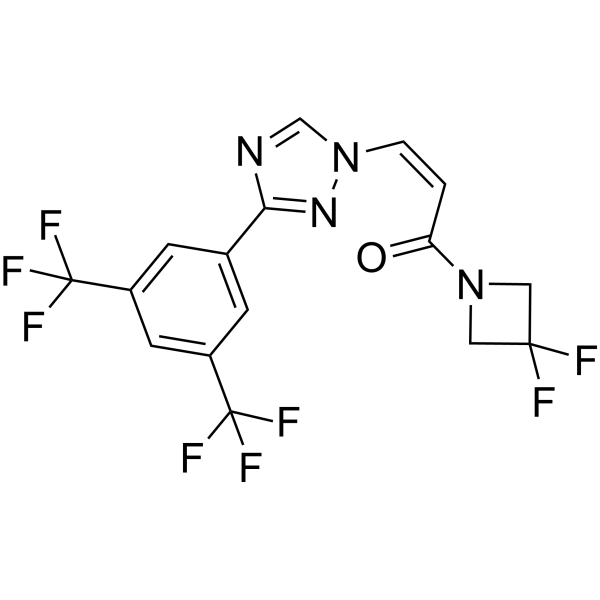 0 ImagesKPT-276 is an orally active and blood-brain barrier-penetrant selective XPO1/CRM1 inhibitor. KPT-276 blocks XPO1-mediated nuclear export function and promotes nuclear retention of various tumor suppressor proteins. KPT-276 induces apoptosis and G1 cell cycle arrest in tumor cells, and downregulates c-MYC, CDC25A, and BRD4. KPT-276 reduces immune cell proliferation through nuclear accumulation of cell cycle inhibitors, rescues TDP-43 cytoplasmic mislocalization, and restores axon growth and growth rate in mutant PFN1 motor neurons. KPT-276 maintains axonal cytoskeletal integrity and mitochondrial function, and inhibits tumor growth. KPT-276 can be used for research on glioblastoma, non-Hodgkin lymphoma, amyotrophic lateral sclerosis, multiple myeloma, and non-small cell lung cancer.
-
Lumisterol
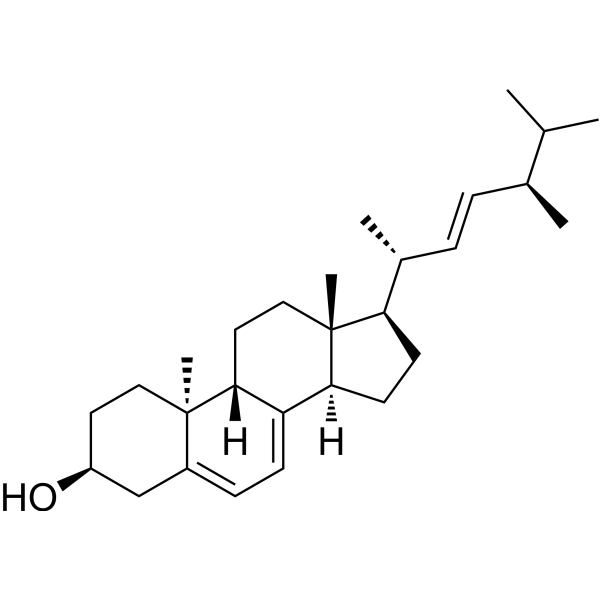 0 ImagesLumisterol (9β,10α-Ergosterol) is a photoproduct of 7-dehydrocholesterol, present in the skin, and acts as an orally active VDR non-genomic modulator and ROR inverse agonist. Lumisterol binds to the SARS-CoV-2 Mpro substrate-binding pocket and the RdRP active site, inhibiting enzyme activity. Lumisterol induces NRF2-regulated antioxidant responses, p53 phosphorylation and nuclear translocation, and intracellular free radical scavenging. Lumisterol inhibits the proliferation of epidermal keratinocytes and melanoma cells, modulates cell cycle progression, and suppresses basal and TNFα-induced NFκB transcriptional activity. Lumisterol inhibits RORγ transcriptional activity and IL-17 production. Lumisterol is used in research on UVB-induced skin damage, melanoma, psoriasis, vitamin D deficiency, and COVID-19.
-
DG013A formate
 0 ImagesCat. No.: HY-139907BPureté: 99.57%DG013A formate is a zinc-dependent M1-aminopeptidase inhibitor that exhibits inhibitory activity against ERAP1 (IC50 = 33 nM) and ERAP2 (IC50 = 11 nM). DG013A formate enhances SRHFLAFSFR epitope presentation, rescues GSW11 peptide neoantigen presentation, reduces SIINFEKL presentation, modulates the immunopeptidome, decreases HLA-B27 free heavy chain expression, and reduces IL-17A secretion. DG013A formate exhibits antiproliferative activity. DG013A formate can be used for research on autoimmune diseases and melanoma.
-
Sonelokimab
 0 ImagesSynonyms: ALX 0761; M 1095Sonelokimab (ALX 0761) is a trivalent bispecific nanobody composed of camel derived humanized IL-17F antibodies, IL-17A/F antibodies, and serum albumin VHH antibodies. Sonelokimab can prolong the plasma half-life by binding to human serum albumin. Sonelokimab can be used for research on rheumatoid arthritis and psoriasis.
-
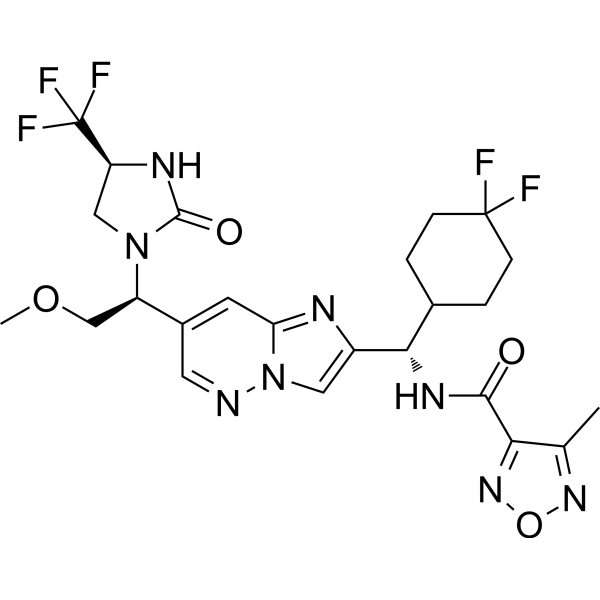
IRBP(651-670) human, mouse
 0 ImagesIRBP (651-670) human, mouse is an epitope and uveitis inducer naturally processed from the conserved region of native IRBP. IRBP (651-670) human, mouse increases the levels of proinflammatory cytokines in ocular tissues (IL-1β, IL-6, TNFα, IL-17A and IL-17F). IRBP (651-670) human, mouse is a IRBP fragment conserved among human, mouse and bovine species. IRBP (651-670) human, mouse induces experimental autoimmune uveitis. IRBP (651-670) human, mouse is applicable to research related to experimental autoimmune uveitis.
-
IL-17A antagonist 1
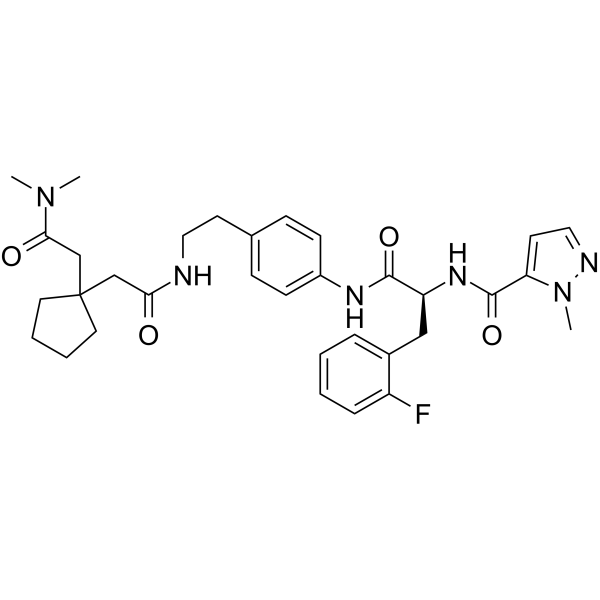 0 ImagesIL-17A antagonist 1 is an interleukin-17A (IL-17A) antagonist with an IC50 of 1.14 μM and a Kd of 0.66 μM. IL-17A antagonist 1 binds specifically and exclusively to the IL-17A homodimer at its central dimer interface pocket, induces a large conformational change that widens the pocket, and disrupts the IL-17A/IL-17RA interaction. IL-17A antagonist 1 does not bind to IL-17F or IL-17RA.
-
Acetyl-6-formylpterin
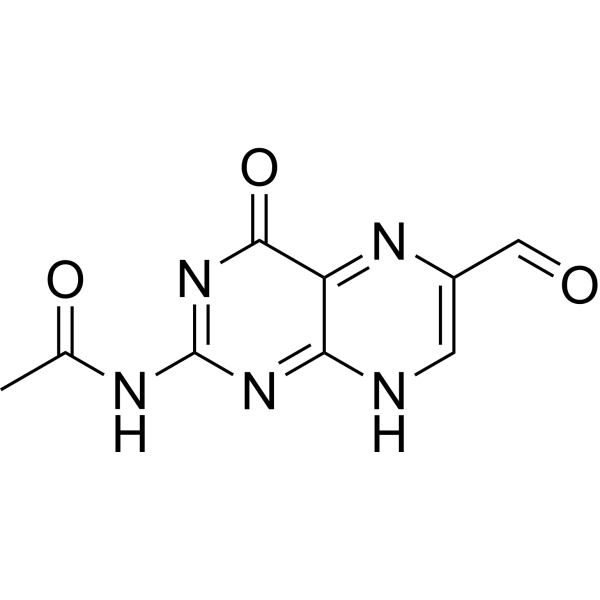 0 ImagesCat. No.: HY-124004CAS No.: 29769-49-1Synonyms: Ac-6-FPAcetyl-6-formylpterin (Ac-6-FP) is a hapten that stabilizes MR1 on antigen-presenting cells, forming an MR1:A6FP complex that fails to activate MAIT cell TCR, thereby acting as a competitive inhibitor of MAIT cell activation. Acetyl-6-formylpterin exacerbates house dust mite-induced airway hyperresponsiveness and elevates circulating IgE levels. Acetyl-6-formylpterin reduces systemic MAIT cell activity and decreases the frequency of IL-17A+ and IFNγ+ MAIT cells in the spleen. Acetyl-6-formylpterin is useful for the study of allergic asthma.
-
Vidofludimus
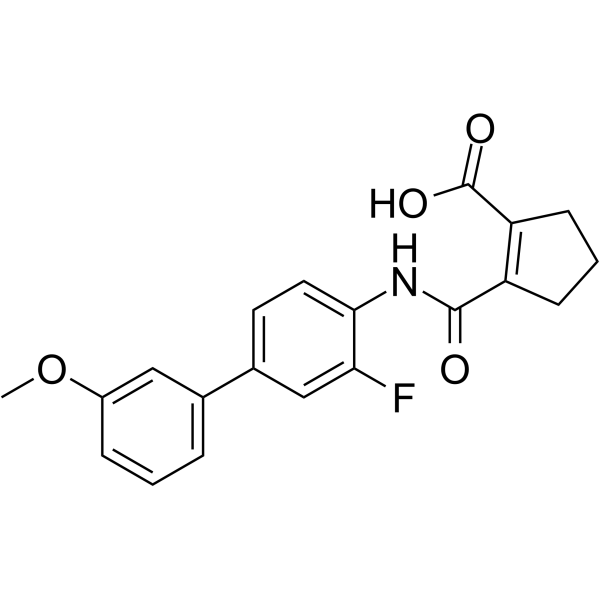 0 ImagesSynonyms: 4sc-101; SC12267Vidofludimus is an orally active inhibitor for dihydroorotate dehydrogenase (DHODH) and also is a novel modulator for farnesoid X receptor (FXR). Vidofludimus, as an immunomodulatory agent, can be used for the research of autoimmune disorders such as inflammatory bowel disease (IBD). Vidofludimus also can be used for the research of fatty liver by targeting FXR.
-
Y-320
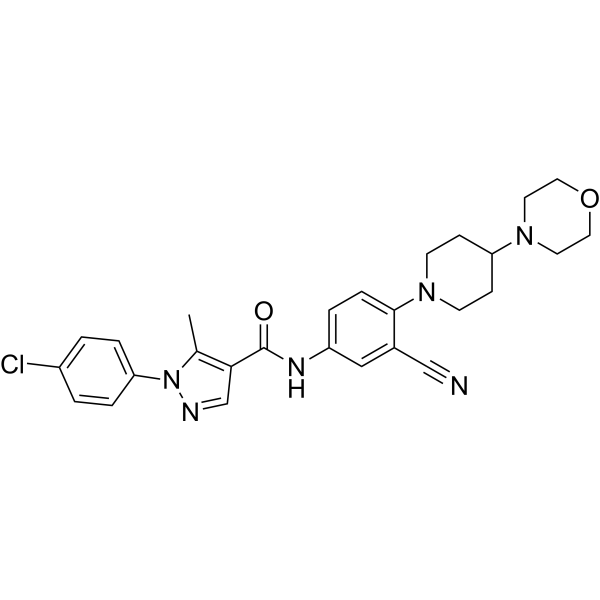 0 ImagesY-320 is a potent, orally active phenylpyrazoleanilide immunomodulator. Y-320 inhibits IL-17 production by CD4 T cells stimulated with IL-15 with IC50 values of 20 to 60 nM. Y-320 enhances TP53, DMD, and COL17A1 PTC readthrough by G418 and increases cellular protein levels and protein synthesis. Y-320 concomitants use of with a low dose of Paclitaxel (HY-B0015) significantly sensitized multidrug resistance (MDR) tumors by inducing G2/M phase arrest and apoptosis. Y-320 can be used for research of rheumatoid arthritis (RA) and cancer.
-
AX-024
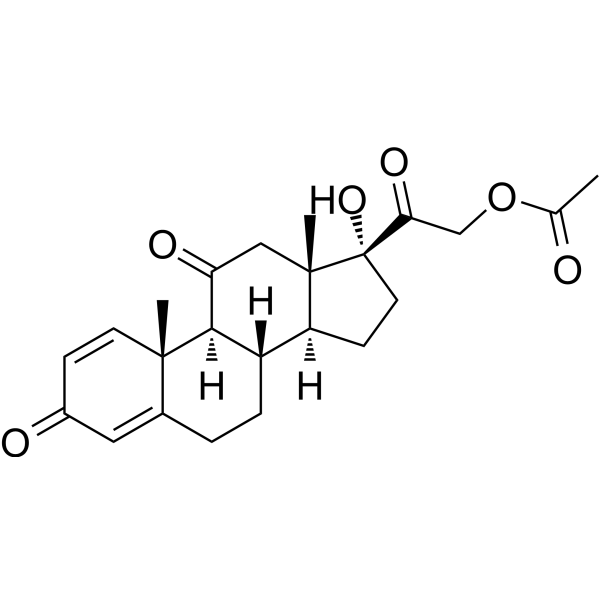
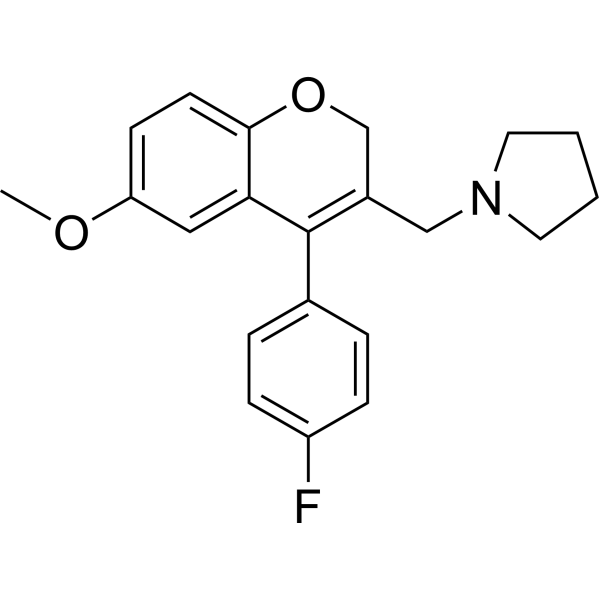 0 ImagesAX-024 is an orally available, first-in-class inhibitor of the TCR-Nck interaction that selectively inhibits TCR-triggered T cell activation with an IC50 ~1 nM. AX-024 modulates cell signaling by targeting SH3 domains. AX-024 has low-acute toxicity and high potency and selectivity, and strongly inhibit the production of IL-6, TNF-α, IFN-γ, IL-10 and IL-17A.
-
CAY10594
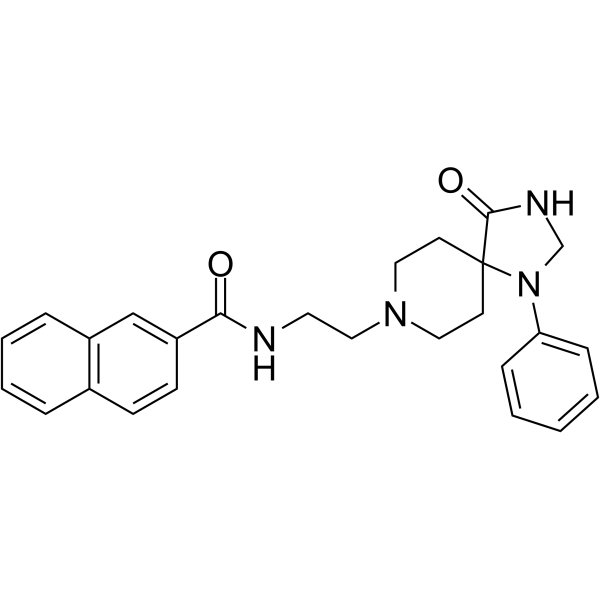 0 ImagesCAY10594 is an orally active PLD2 inhibitor with an IC50 of 140 nM. CAY10594 has activities such as anti-tumor, anti-oxidation and liver protection. CAY10594 can be used for the research of diseases like breast cancer, acute liver injury and colitis.
-
CMIT/MIT (14.5% in water)
 0 ImagesCat. No.: HY-W017982CAS No.: 55965-84-9Synonyms: CMI/MICMIT/MIT (14.5% in water) (CMI/MI) is a mixture of CMIT and MIT, and is also a preservative and skin sensitizer. CMIT/MIT (14.5% in water) increases the levels of phosphorylated ERK1/2, p38, JNK1/2, p53, p21 and Bax, decreases the level of Bcl-2, and activates the Nrf-2/HO-1 signaling pathway. CMIT/MIT (14.5% in water) increases LDH release and lipid peroxidation levels, impairs antioxidant defense capacity, promotes pro-inflammatory cytokine release, induces apoptosis, triggers cell cycle arrest, exhibits neurotoxicity in neuroblastoma cells, and causes dysregulation of Th2/Th17 immune responses. CMIT/MIT (14.5% in water) can be used in studies related to allergy, atopic dermatitis and lung injury.
-
IL-17 modulator 4
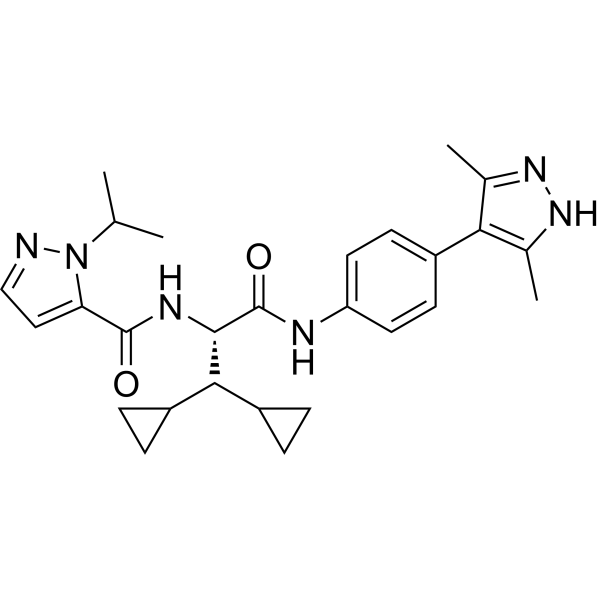 0 ImagesIL-17 modulator 4 is a proagent of IL-17 modulator 1 (HY-141535). IL-17 modulator 1 is an orally active, highly efficacious IL-17 modulator. IL-17 modulator 4 is promising for the research of IL-17A mediated diseases, including inflammation, autoimmune diseases, infectious diseases, cancer, and precancerous syndrome.




